

The allure of competitive sports lies in their intensity. In the final moments, victory or defeat is often unpredictable. One of the world's most cohesive and competitive stages, the Olympics brings together the ultimate test of human physical strength, endurance, skill, and fighting spirit. Those classic moments of competition are often not simply about winning or losing, but about perseverance, courage, wisdom, and an unwavering commitment to fairness and respect. Below, we select several representative moments, stringing them together chronologically, to explain why they are remembered by posterity.
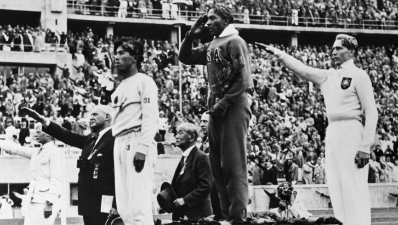
1936, Berlin: Victory and Challenge
In that era, the Olympics were not only a sporting event but also a public clash of ideologies. Jesse Ernest of the United States, with his outstanding speed, strength, and charisma, won four gold medals in the 100 meters, 200 meters, long jump, and 4x100 meter relay. This dominant performance not only shattered prejudices against certain groups but also showed the world the universal values of sports: talent, perseverance, and sportsmanship can transcend political biases. Onis's three-second sprints and his composure and confidence on the track became a reference point for later generations to reflect on the relationship between sports and humanity.
1960, the barefoot marathon in Rome
Abebe Bikila completed the marathon barefoot in Rome, a historic breakthrough. He was not only the pride of Ethiopia but also a milestone for the African continent on the Olympic stage. He broke through prejudice and doubt in a simple way, proving that perseverance and focus can overcome multiple disadvantages such as resources and geography, creating a "path of hope emerging from the Bird's Nest." At this moment, the world witnessed: the meaning of sports often lies in lighting a lamp for the disadvantaged.
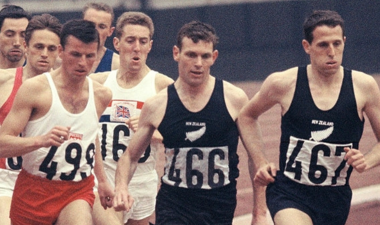
1964, the final sprint in Tokyo
In Tokyo, Billy Mills achieved a "miracle" in the 10,000-meter final with astonishing sprinting ability. He was not the most favored athlete, but he exploded in the final 100 meters, surpassing all competitors to win the championship. This story is classic not only because of the victory itself, but also because it conveys a message: the drama of competition often lies in the amplification of individual perseverance and mental resilience in the contest between opponents. Mills' victory acted as a shot in the arm, inspiring countless athletes to persevere to the very last minute even when underestimated.
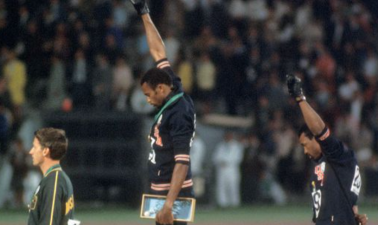
1968, Mexico City: Jumps and Protests
Boe Beamon's world record jump of 890 meters in the long jump epochally rewrote the sport's ceiling. His record remains a "milestone in jumping" for many years to come. That same year, on the same podium, Tom Smith and John Carlos protested with slogans of Black civil rights, making the Olympics a highlight of global discussions on race, justice, and human rights. These two moments, one on the left and one on the right, represent both breakthroughs in sports and symbols of open dialogue on social issues.
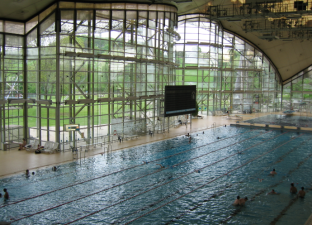
1972, Munich: Swimming Pool and Records
Mark Spitz won seven gold medals at the Munich Olympics, almost completely shattering the ceiling of swimming. His achievements were not merely personal honors, but also a concentrated embodiment of contemporary advancements in swimming training, tactics, and technology. For later athletes, this "all-around dominance" became a model: comprehensive strength and consistently stable performance within an Olympic cycle can create memorable moments that transcend time.
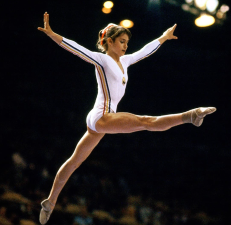
The Perfect Ten in Montreal, 1976
Nadia Comaneci became the representative of the "first perfect ten" at the Montreal Olympics. Her multiple perfect scores, along with her composure and focus on the gymnastics floor, demonstrated to the world the confidence and control of athletes under extreme pressure. This moment not only propelled the competitive standards of gymnastics but also influenced the global perception and appreciation of the "pursuit of excellence."
Conclusion
Sports teach us perseverance, cooperation, respect, and fair competition. Whether it's the Olympic flame or the World Cup frenzy, they make us believe that in this world, nothing is impossible with dreams and effort. This is the power of sports—a power that allows us to transcend borders, languages, and cultures, to laugh together, cry together, and be moved by those beautiful moments.